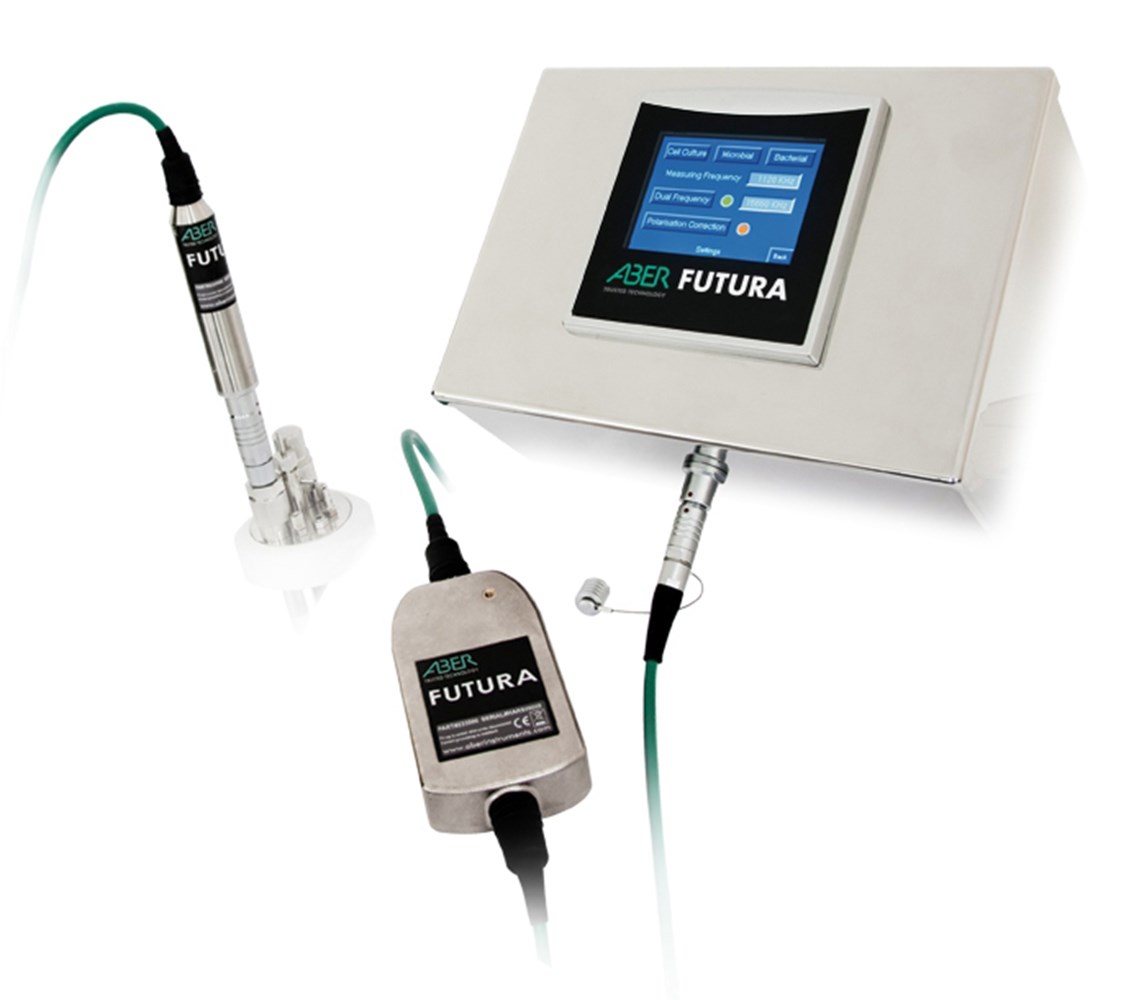
Bio-mass measurement in brief history
Capacitance sensor technology measures equally well adherent or suspension type of mammalian cells. The bio-mass sensor system senses total capacitance measured in pico Farad. Viable Cell Density (VCD) system monitors the volume of live cells. The principle is expressed in permittivity as the system is capable of detecting the response of cells with intact membranes. Cell fragments, particles and bubbles are not measured. Small micro-organism's like bacteria are not the best to measure with this capacitance based technology. OD - Optical Density is the chosen method.
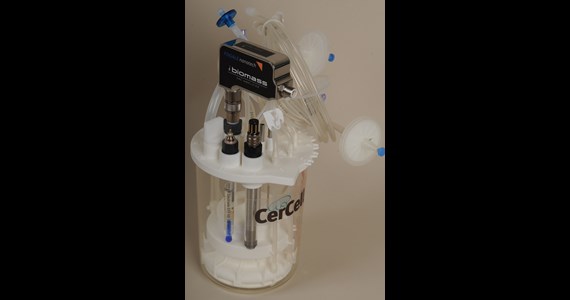
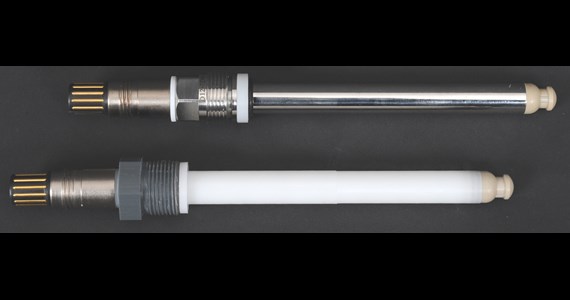
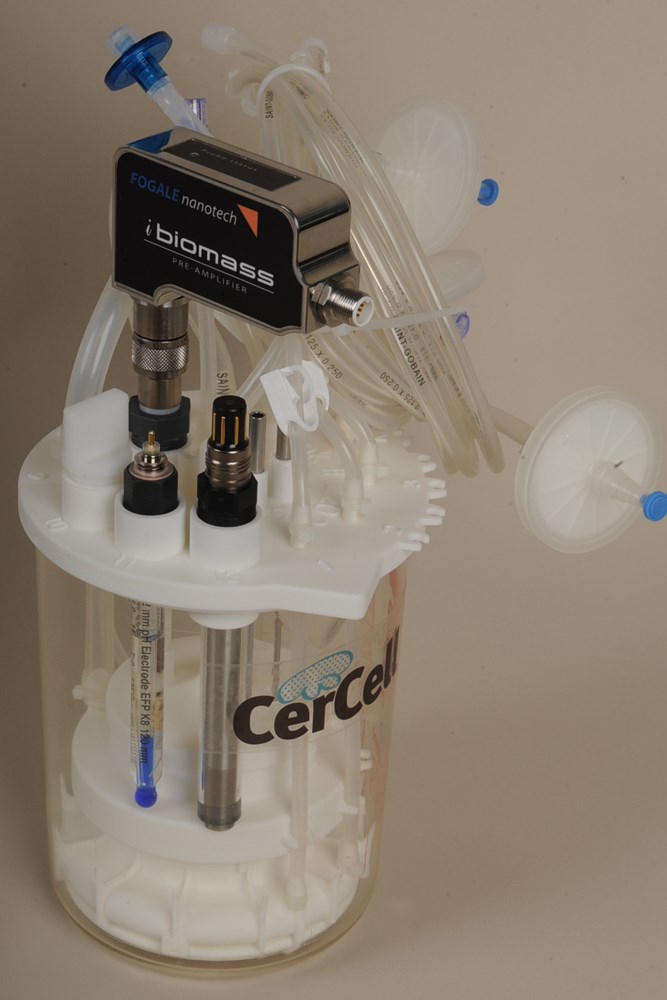
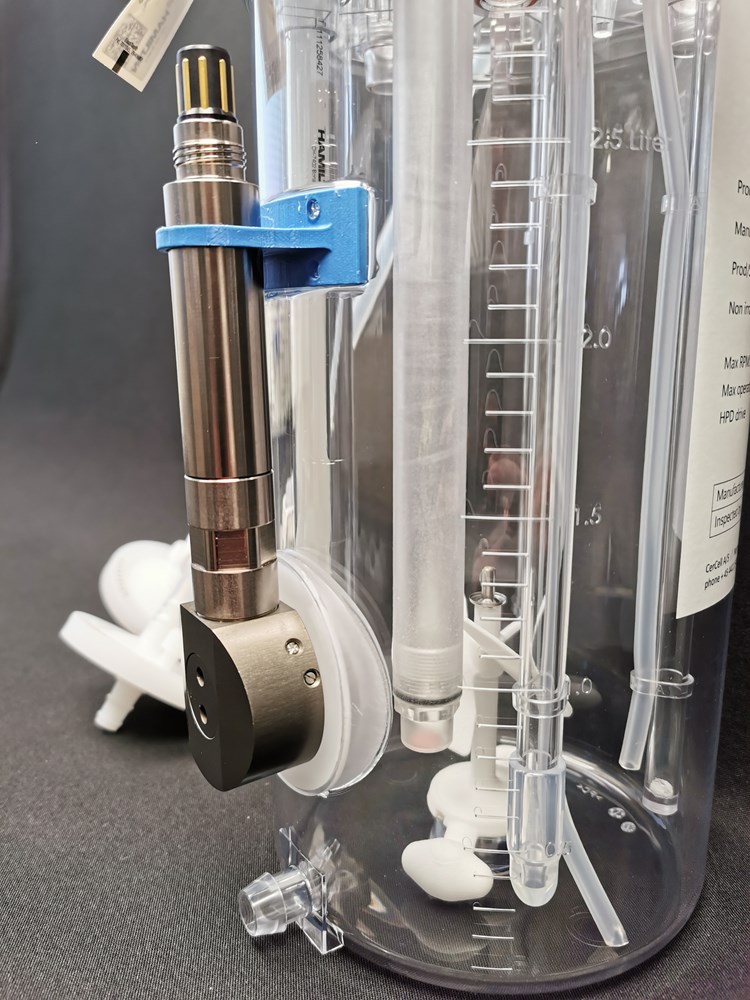
Stobbe Group developed and manufactured 2011 world first capacitance bio-mass Single-Use-Sensor together with French Fogale. The new management choose 2020 to hand over the technology package to Hamilton.
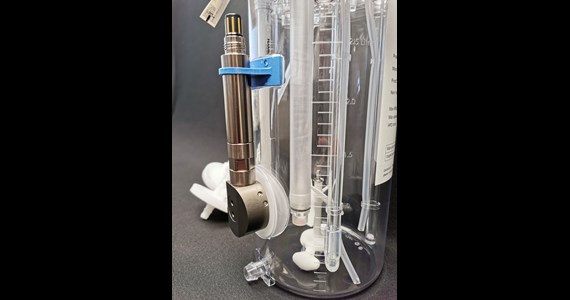
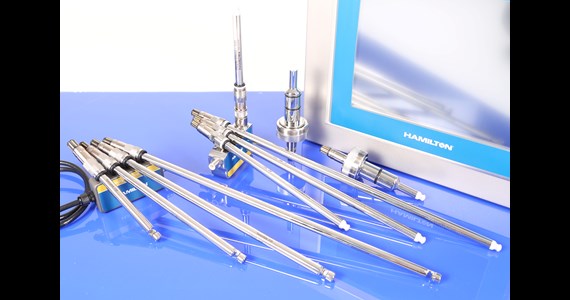
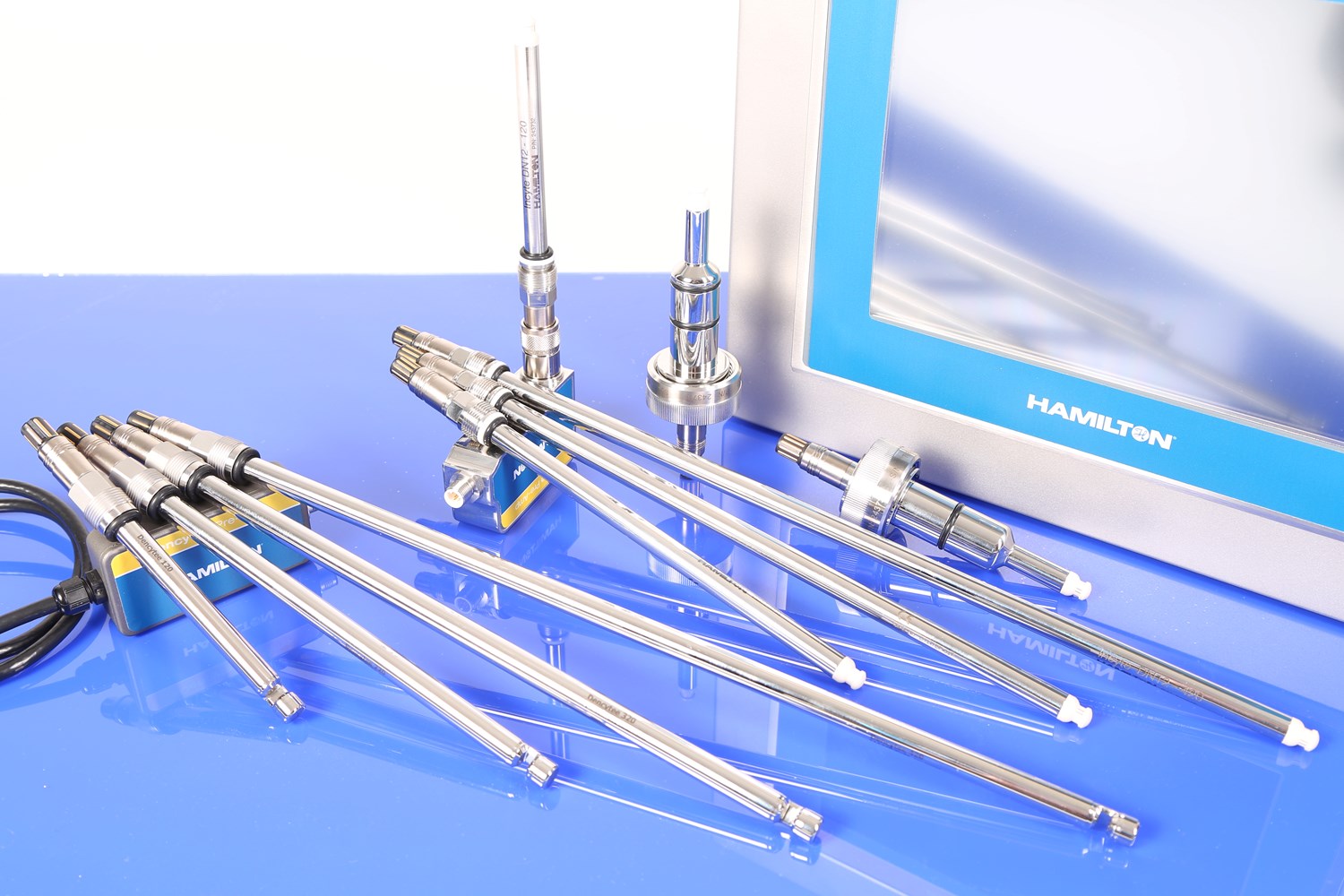
Hamilton expanded its strategy around sensors for pharma adding capacitance portfolio.
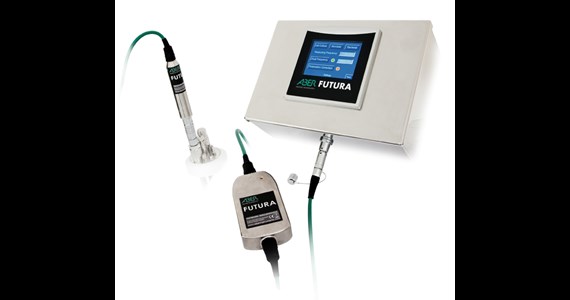
ABER Instruments was formed when Professor Douglas Kell and Dr Robert Todd file patents for using radio-frequency (RF) impedance methods for measuring live biomass. Mostly for the brewing industry.
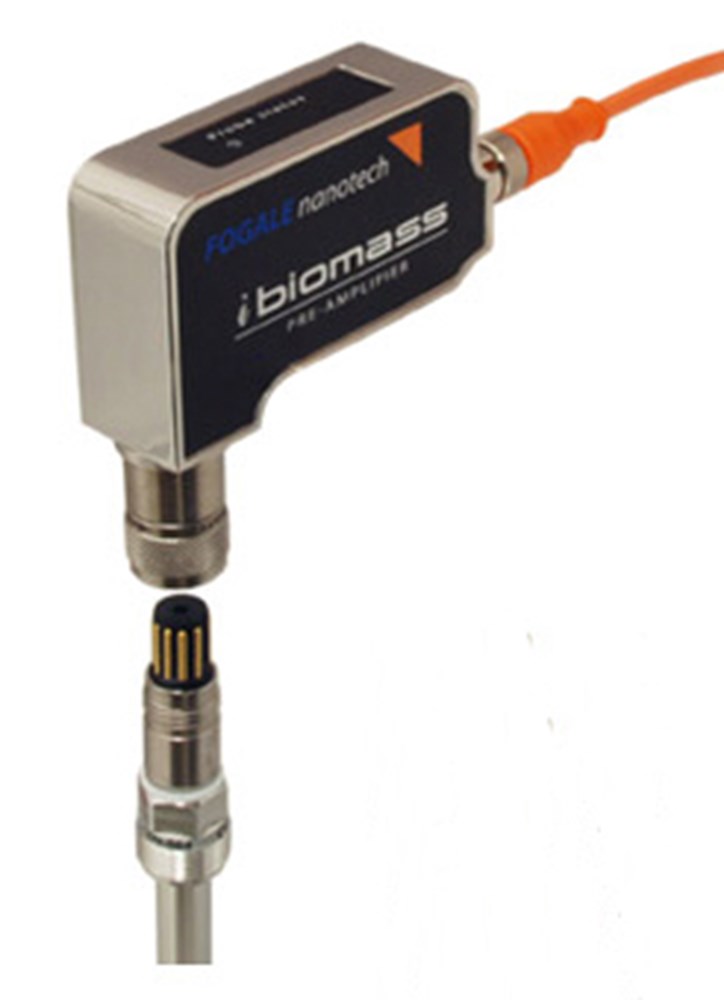
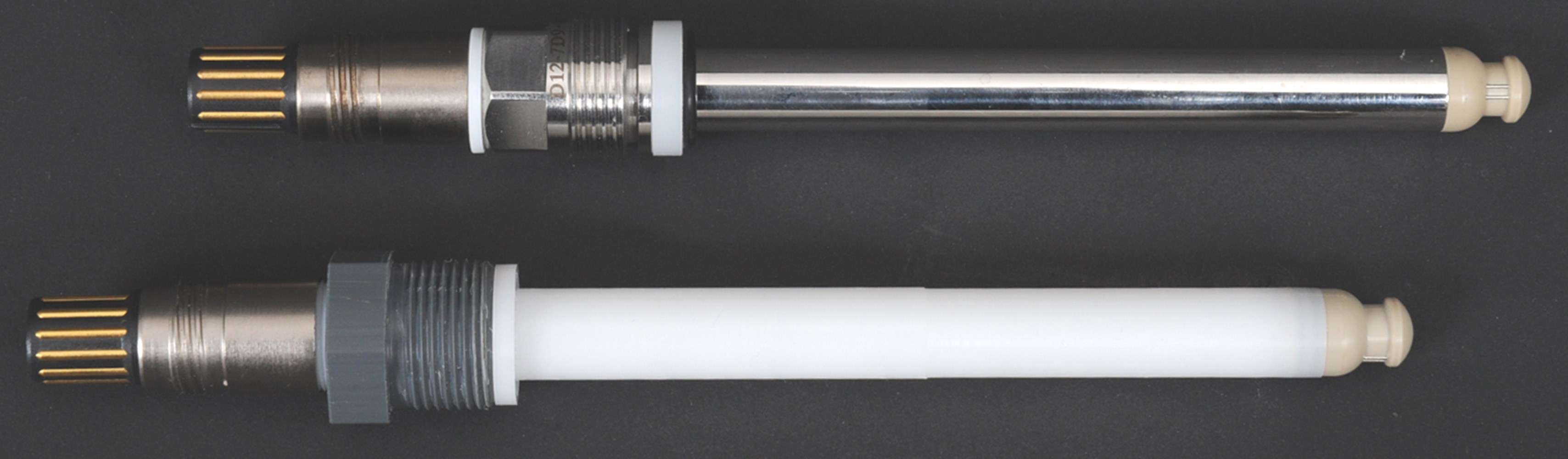
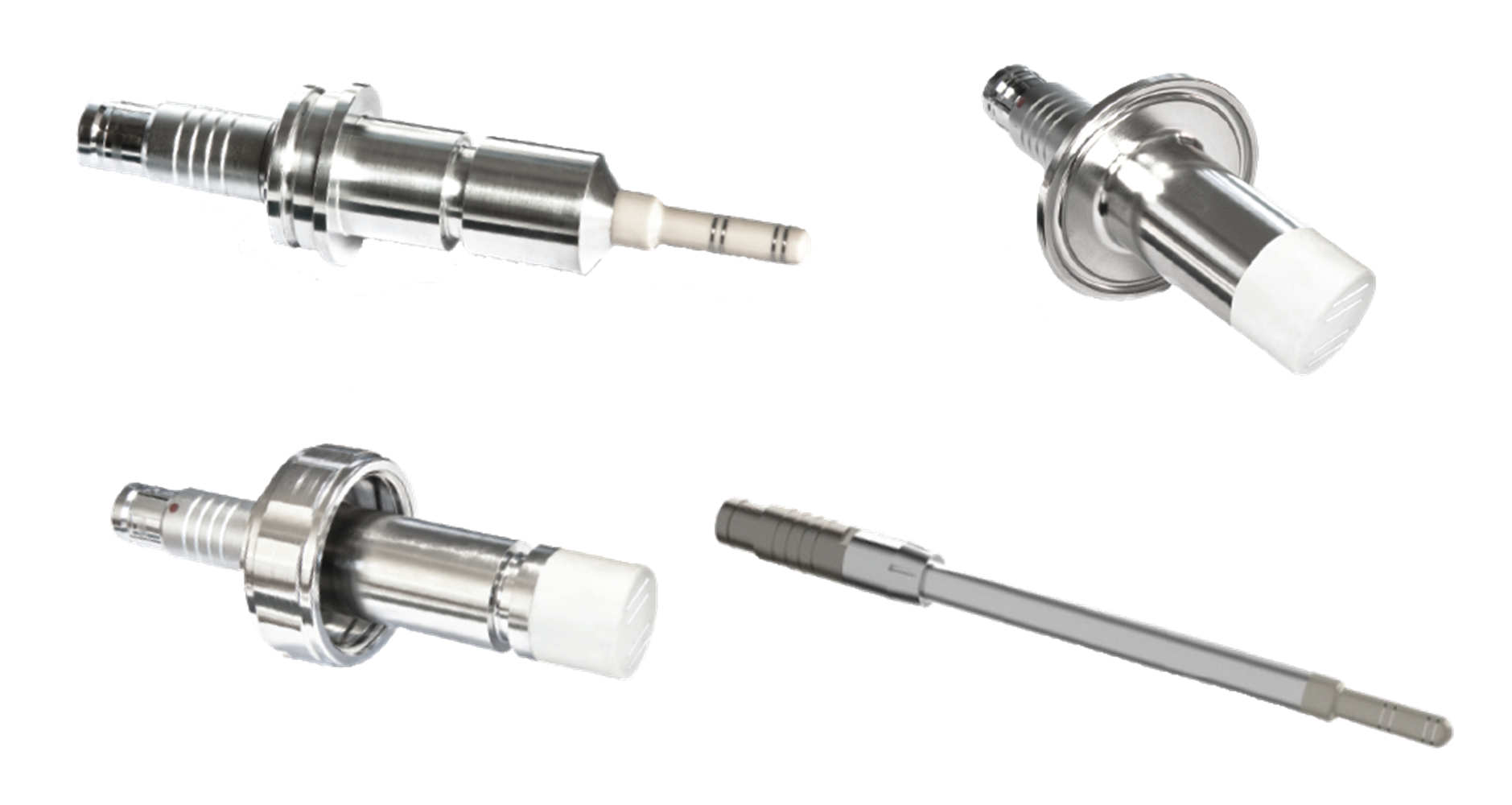
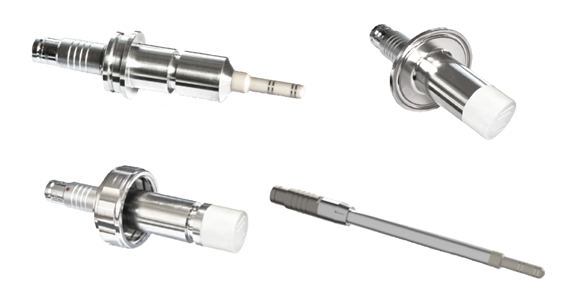
Capacitance biomass Re-Usable-Sensors (RUS) are available in PG 13.5 x 120, 225, 325 mm length. The sensor communicates on-line and only through the specific pre-amplifier to a computer/display and various output for external devices. The RUS, pre-amplifier and display are available from:
www.hamiltoncompany.com/products/process-analytics
Measured parameters on mammalian cell (app 18 µm size) are: Viable Cell Density, Conductivity, Fc, indicating average cell size, Alpha, indicating cell size distribution, DeltaEpsilon, multi frequency cell density.